About Us
About Gorakhpur
Gorakhpur is a prominent and historically rich city located in eastern Uttar Pradesh, India, known for its deep spiritual roots, cultural heritage, and steadily growing urban landscape. The city derives its name from the revered saint Guru Gorakhnath, and the famous Gorakhnath Temple stands as its spiritual centerpiece, attracting pilgrims, tourists, and followers from across the country throughout the year. Gorakhpur is surrounded by natural beauty, including serene water bodies such as Ramgarh Tal, green parks, gardens, and open landscapes that contribute to a calm and pleasant environment. The city plays a vital role as a regional hub for education, healthcare, administration, and transportation, hosting well-established educational institutions, universities, medical colleges, hospitals, and key government offices that support the development of the surrounding areas. Gorakhpur is also widely recognized for its excellent connectivity, featuring one of the world’s longest railway platforms, a major railway junction, expanding road networks, and an operational airport that links the city to important destinations across India. Along with its strong spiritual and cultural foundation, Gorakhpur is experiencing continuous growth through infrastructure development, smart city initiatives, improved civic amenities, and modern urban planning. The city’s vibrant markets, traditional festivals, spiritual gatherings, diverse local cuisine, and friendly community reflect the true essence of eastern Uttar Pradesh, making Gorakhpur a city that harmoniously blends tradition, connectivity, opportunity, and modern living.
GLANCE OF GORAKHPUR
Area
Population
Spoken Language
Hindi, Bhojpuri, Urdu, English
Revenue
Culture, Festivals, and Lifestyle of Gorakhpur
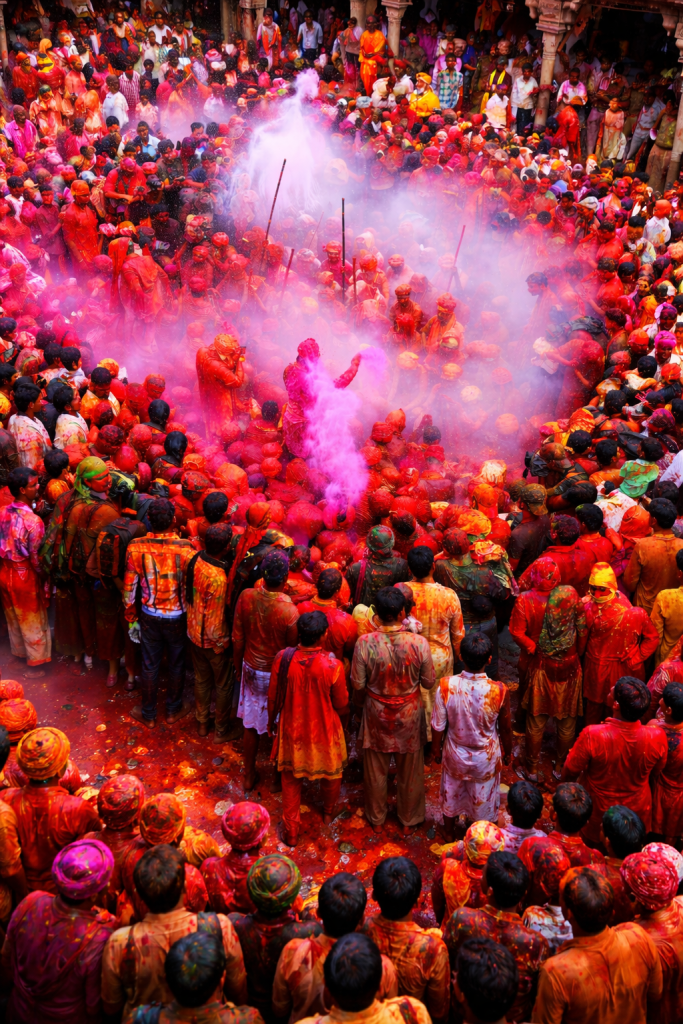
Gorakhpur’s culture and festivals beautifully reflect its deep spiritual roots, rich traditions, and strong sense of community life. The city’s cultural identity is closely associated with religious practices, especially those linked to the Gorakhnath Temple, which plays a central role in shaping local customs and celebrations. Festivals are celebrated with great devotion and collective enthusiasm, turning everyday life into moments of joy and togetherness. Major Hindu festivals such as Holi, Diwali, Ram Navami, Navratri, Janmashtami, and Makar Sankranti are observed on a grand scale, featuring temple rituals, colorful decorations, processions, fairs, and cultural performances. Holi fills the streets with vibrant colors and music, while Diwali illuminates homes and public spaces with lamps and celebrations symbolizing hope and prosperity. Makar Sankranti is especially significant due to the famous Khichdi festival, during which thousands of devotees gather to offer khichdi at temples, accompanied by fairs, devotional singing, and religious discourses. Alongside these, festivals like Eid, Muharram, Christmas, and Gurpurab are also celebrated with respect and harmony, highlighting the city’s cultural diversity and unity. Folk traditions, devotional bhajans, and music using instruments such as dholak, harmonium, and manjira are an integral part of festive occasions, preserving local art and heritage. Overall, the culture and festivals of Gorakhpur showcase a lively blend of faith, tradition, and communal harmony, keeping age-old customs alive while strengthening social bonds and shared cultural pride.
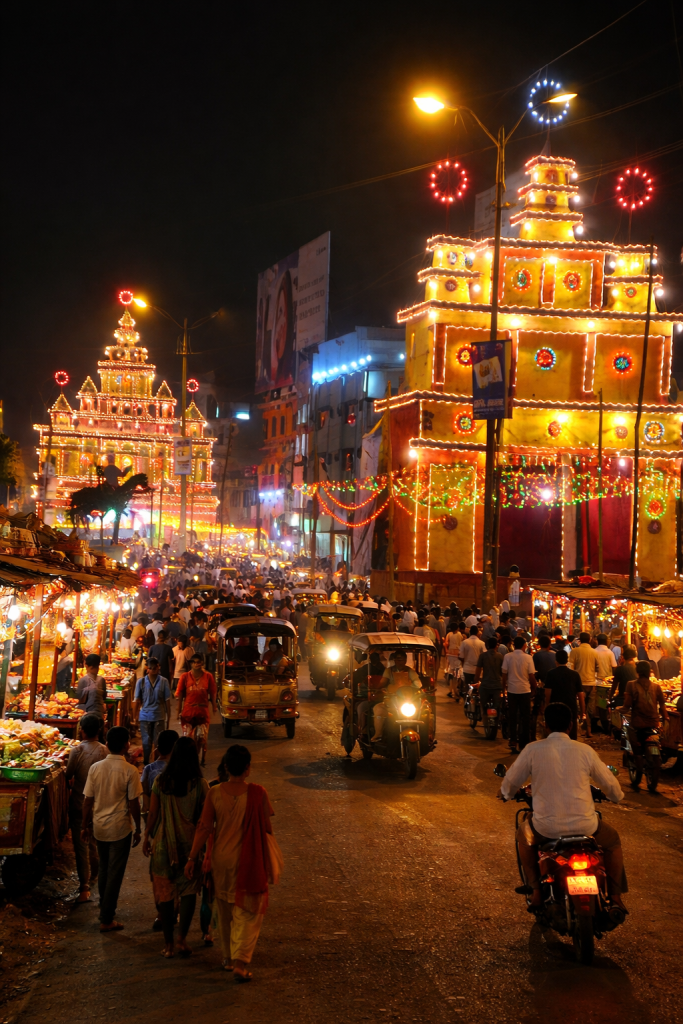
The lifestyle of Gorakhpur reflects a harmonious blend of traditional values, spiritual influence, and growing modernity, shaped by the everyday rhythm of a close-knit community. Life in the city moves at a calm yet lively pace, where mornings often begin with temple visits, prayers, walks in parks, or tea at local stalls, followed by busy markets and workplaces coming to life. Family and social relationships play a central role, with strong respect for elders, community bonding, and shared celebrations forming the foundation of daily life. The city’s markets, streets, and neighborhoods are always active, offering local goods, fresh produce, traditional clothing, and street food that are deeply woven into everyday routines. Food habits reflect regional tastes, with simple home-cooked meals alongside popular local snacks and sweets enjoyed at roadside eateries. Evenings are typically spent socializing with friends and family, visiting temples, parks, malls, or enjoying casual conversations at tea shops. While Gorakhpur continues to modernize with better infrastructure, educational institutions, hospitals, malls, and entertainment spaces, it still preserves its traditional charm and cultural values. Overall, the lifestyle of Gorakhpur is warm, community-oriented, and faith-driven, offering a balanced way of life that blends simplicity, tradition, and gradual urban growth. People here value hospitality, making the city welcoming for visitors and newcomers alike. Daily life is influenced by seasonal changes, local festivals, and agricultural cycles in surrounding areas.
Culture & Community
Gorakhpur’s culture and community life are deeply rooted in tradition, spirituality, and strong social bonds, making the city warm and welcoming in character. The cultural fabric of Gorakhpur is shaped by centuries-old religious practices, with the Gorakhnath Temple serving as a major spiritual and cultural center that influences everyday life and community values. People here place great importance on family, respect for elders, and collective harmony, which is reflected in social interactions and community gatherings. Festivals, religious events, weddings, and local fairs are celebrated together, bringing neighbors and communities closer and strengthening mutual relationships. Gorakhpur is known for its cultural diversity, where people of different religions and backgrounds live together peacefully, sharing festivals like Holi, Diwali, Eid, and other important occasions with unity and respect. Folk traditions, devotional music, local customs, and regional cuisine further enrich the city’s cultural identity. Overall, Gorakhpur’s culture and community life emphasize togetherness, faith, hospitality, and shared traditions, creating a strong sense of belonging and cultural continuity among its people.
Heritage & Spiritual Significance
Gorakhpur holds a place of immense heritage and spiritual importance, deeply rooted in centuries-old traditions, faith, and cultural continuity. The city is named after the revered saint Guru Gorakhnath, a prominent yogi and spiritual leader whose teachings have profoundly influenced the Nath tradition and shaped the spiritual landscape of the region. At the heart of Gorakhpur stands the Gorakhnath Temple, one of the most significant spiritual centers in eastern Uttar Pradesh. This sacred temple is not only a place of worship but also a symbol of spiritual discipline, devotion, and cultural identity, drawing devotees, saints, and visitors from across India throughout the year.The spiritual essence of Gorakhpur extends beyond temples and rituals, reflecting a way of life deeply connected to faith, simplicity, and inner harmony. Daily prayers, religious gatherings, and spiritual discourses play an integral role in the lives of the people, fostering a strong sense of discipline, moral values, and community bonding. Numerous temples, ashrams, and sacred sites across the city preserve ancient practices and rituals, keeping the spiritual heritage alive for future generations.Gorakhpur’s heritage is also reflected in its historical evolution, traditional architecture, and cultural practices passed down over generations. Local customs, folk traditions, devotional music, and festivals form an essential part of the city’s identity. Major festivals such as Diwali, Holi, Navratri, and religious fairs are celebrated with great devotion and unity, transforming the city into a vibrant center of spiritual and cultural expression. These celebrations not only honor religious beliefs but also strengthen social harmony and collective participation.
Growth, Connectivity & Development
Gorakhpur has emerged as one of the fastest-developing cities in eastern Uttar Pradesh, reflecting steady growth driven by improved infrastructure, strong connectivity, and forward-looking development initiatives. Strategically located near the Indo-Nepal border, the city serves as a key gateway for trade, transportation, and regional interaction, enhancing its importance at both state and national levels. Over the years, Gorakhpur has witnessed significant expansion in urban infrastructure, including improved road networks, flyovers, public transportation systems, and planned residential and commercial zones that support its growing population and economic activity.Connectivity has played a crucial role in Gorakhpur’s development. The city is a major railway hub, home to one of the world’s longest railway platforms, and offers excellent rail connectivity to major cities across India. Well-maintained highways and roadways link Gorakhpur to neighboring districts and states, while the Gorakhpur Airport further strengthens air connectivity, making travel more accessible and efficient. These transportation networks have not only improved mobility but have also boosted trade, tourism, and employment opportunities.Gorakhpur’s development is further supported by advancements in education, healthcare, and industry. The city hosts reputed educational institutions, universities, and training centers that contribute to skill development and knowledge growth. Modern healthcare facilities, hospitals, and medical colleges provide quality services to residents and surrounding regions, reinforcing Gorakhpur’s role as a regional healthcare center. In addition, industrial growth, small-scale enterprises, and expanding business sectors are creating new avenues for economic progress and entrepreneurship.
FAQ – Frequently Asked Questions
1. Where is Gorakhpur located?
Gorakhpur is located in the eastern part of Uttar Pradesh, India, near the border of Nepal. It is an important city in the Purvanchal region.
2. What is Gorakhpur famous for?
Gorakhpur is famous for the Gorakhnath Temple, its spiritual heritage, traditional festivals, railway junction, educational institutions, and cultural events like the Khichdi Mela.
3. What language is commonly spoken in Gorakhpur?
Hindi is the primary language spoken, along with Bhojpuri and Urdu in daily communication.
4. What are the major festivals celebrated in Gorakhpur?
Major festivals include Holi, Diwali, Ram Navami, Navratri, Makar Sankranti (Khichdi Festival), Eid, and Muharram.
5. What is the lifestyle like in Gorakhpur?
The lifestyle is simple, community-oriented, and tradition-focused, with a blend of modern facilities such as malls, hospitals, and educational institutions.
6. Is Gorakhpur well connected by transport?
Yes, Gorakhpur is a major railway junction and is well connected by road and air through Gorakhpur Airport (Mahant Avaidyanath Airport).
7. What are popular tourist places in Gorakhpur?
Popular places include Gorakhnath Temple, Ramgarh Tal, Geeta Vatika, Nauka Vihar, Vindhyavasini Park, and Gorakhpur Zoo.